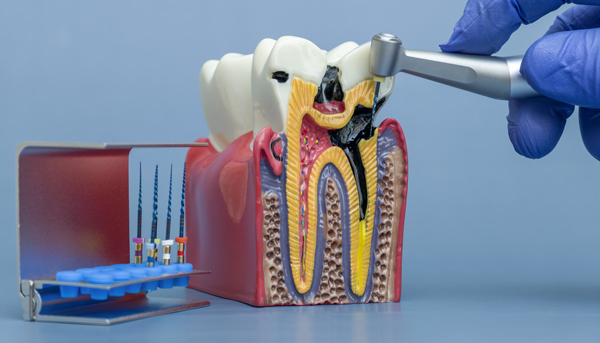
Why a Root Canal Treatment is Done
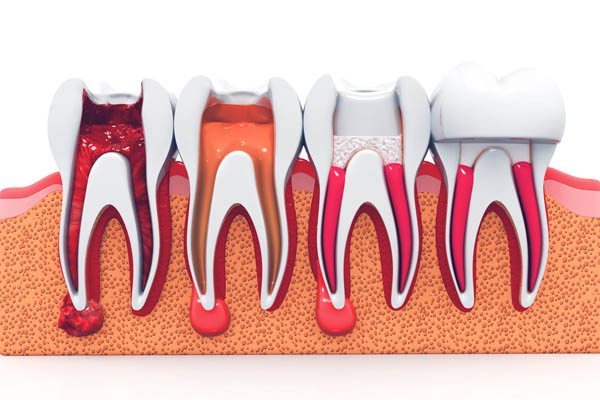
Root canal treatment, also known as endodontic therapy, isn’t something most people think about daily, but it’s one of the most common treatments available. If you experience pain in your teeth and are considering treatment, then you may have heard of endodontic therapy, which can save your teeth and make sure you have good oral health throughout your life! Here’s everything you need to know about this therapy – what it is, why it’s done, how it’s done, and more!
What is a root canal?
Endodontic therapy may also be referred to as endodontic treatment, which is a procedure for cleaning out the infected canal. The infection can occur because of deep tooth decay or injury. In most cases, an experienced dentist will treat the infection with just one. But sometimes, especially if there are several teeth affected by infection, multiple may be necessary.
What are their benefits?
If you have had endodontic therapy, you know that it can be very painful, time-consuming, and expensive. However, there are some good reasons to have endodontic therapy done on one or more of your teeth.
The biggest reason to have endodontic therapy done is to save a tooth. The bacteria that cause an infection in your tooth can spread into your jawbone and sinuses. If that happens, you could lose all your teeth because they’ll be infected. Another good reason to get endodontic therapy is if you have problems biting or chewing food due to pain when biting on a specific tooth. Once you’ve had endodontic therapy, eating should feel better.
How do I know if I need one?
If you feel pain, tooth sensitivity, or sensitivity to hot or cold temperatures, your root may be compromised. Endodontic therapy may also be necessary if there are signs of infection in your gums around your teeth—swelling, redness, and tenderness.
It’s not just tooth pain that signals endodontic therapy may be needed. Many people report feelings of sensitivity in their gums, which can indicate that your teeth are dying from tooth decay and must be extracted to avoid further damage.
What happens during procedures?
The actual procedure takes about an hour, but you’ll need to take time to prepare for it and sit with your dentist for about one hour afterward. When you arrive at your appointment, you’ll have X-rays taken to get a clear view of your teeth. Then, your dentist will administer local anesthesia so that you aren’t in pain while they work on your tooth. The end of each tooth has an opening called a root canal, which leads into its center core.
Ask your dentist about root canal procedures
Your dentist will use special instruments to clean out any decay or infection inside your tooth until it becomes as clean as can be. Once everything is cleaned out, a sealant may be used to further seal off bacteria from entering or returning through these openings. This step completes an endodontic therapy treatment; once it’s done, there should be no more pain related to that tooth.
Check out what others are saying about our dental services on Yelp: Root Canal in Peabody, MA.
Related Posts
After a root canal, the body begins a natural healing process that quickly restores comfort and dental health. While this is a common procedure that has a negative reputation, many patients feel nervous about undergoing pain treatment. Fortunately, recovery is usually smooth, straightforward, and manageable. Having clear expectations about post-treatment care in advance helps ease…
A root canal restores a damaged or infected tooth without removing it, and recovery usually proceeds smoothly with the right care. Mild tenderness is common as the tissues calm down, especially when chewing or when the tooth is touched. Good oral hygiene, smart food choices, and timely follow-up help the tooth feel normal again. Because…
A root canal treatment can restore a severely decayed or damaged tooth. This invasive procedure can help improve your dental health. Knowing why you need this treatment can motivate you to schedule an appointment soon. Here are the reasons to consider a root canal treatment.Gum disease, decay, or dental damage can lead to dental infection.…
Root canal treatment enables dentists to save infected, damaged, or decayed teeth. The procedure has a reputation as being painful, but this is far from the truth. Root canals were probably painful before the invention of local anesthetics, but now that is no longer the case. Local anesthetics are used during a root canal treatment,…